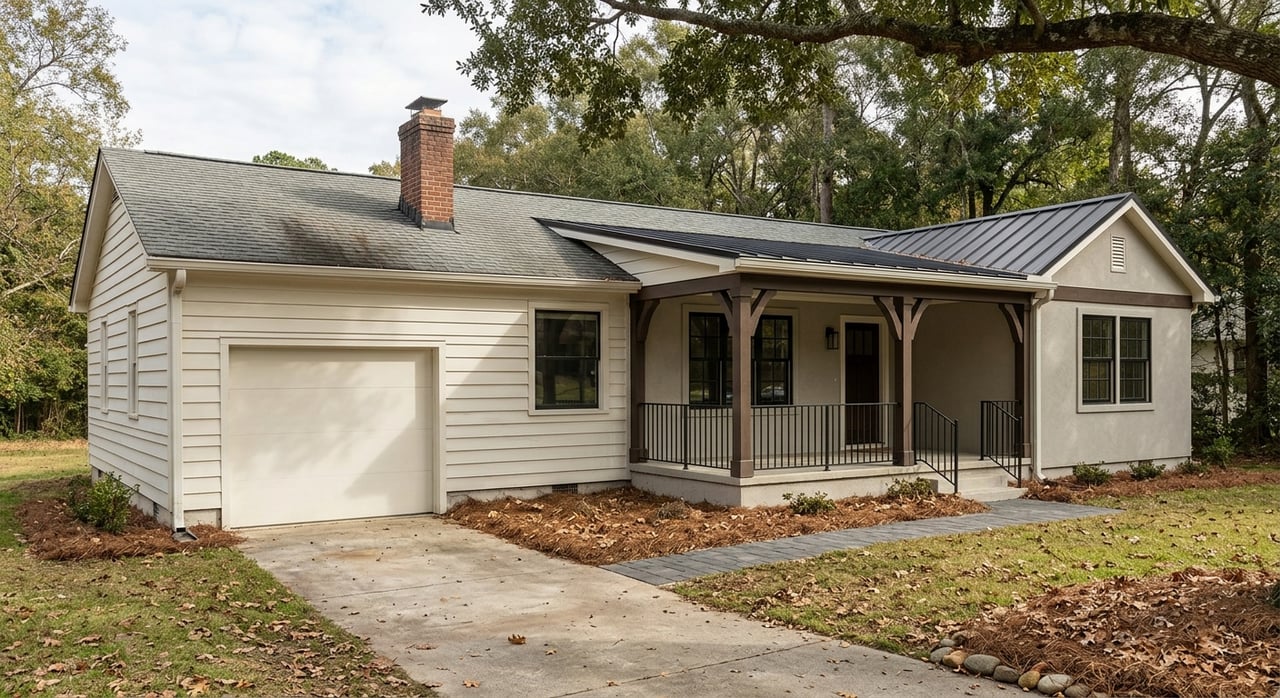
Buying in Bluffton means more than choosing a house. In many cases, you’re also choosing between a brand-new home in a planned community and an existing home in a neighborhood that already has its own rhythm. If you’re weighing new construction versus resale in Bluffton, this guide will help you compare the tradeoffs clearly so you can match your decision to the way you want to live. Let’s dive in.
Why this choice feels different in Bluffton
Bluffton’s housing stock stands out because so much of it is planned. According to the Town of Bluffton, about 92% of neighborhoods are planned unit developments, while only 8% are not pre-planned. That means your home search often includes a bigger lifestyle decision than you might expect.
In practical terms, choosing new construction in Bluffton often means buying into a master-planned setting with shared infrastructure and amenities. Choosing resale may mean buying in a neighborhood that is already established, with a finished streetscape and a more settled day-to-day feel. In Bluffton, that difference can shape your experience almost as much as the home itself.
The town also notes that some earlier neighborhoods developed more organically, including areas such as the Historic District, Buck Island-Simmonsville, and Goethe-Shults. Those older areas often lacked planned infrastructure like sanitary sewer, sidewalks, lighting, and drainage systems. That makes it especially important to look beyond the home and pay attention to the broader setting.
What new construction offers
More personalization from the start
One of the biggest draws of new construction is the chance to start fresh. Depending on the builder and stage of construction, you may be able to choose a floorplan, finishes, or design features that better fit your daily life. For many buyers, that kind of personalization makes a new home feel more tailored from day one.
Some Bluffton builders also offer more than one timeline path. For example, Four Seasons at Carolina Oaks notes that buyers may design a home from available floorplans or move sooner with a Quick Move-In home. That can make new construction more flexible than buyers sometimes assume.
A builder warranty, with limits
Many newly built homes come with a builder warranty, which can offer peace of mind. The FTC explains that workmanship and materials coverage on many components often lasts about one year, HVAC, plumbing, and electrical coverage is generally about two years, and some builders offer up to 10 years for major structural defects.
That said, it helps to read the details carefully. A builder warranty is not unlimited, and it is not the same thing as a home warranty. Knowing what is covered, for how long, and what steps you must follow to make a claim can help you avoid surprises later.
A lifestyle package in many communities
In Bluffton, new construction often comes with more than a newer house. The town’s resident guide explains that planned communities may include private roads, sidewalks, streetlights, stormwater systems and lagoons, parks, trails, pools, clubhouses, and community landscaping. In many neighborhoods, those features are part of the overall living experience.
That can be appealing if you want shared amenities and a more standardized neighborhood setup. The tradeoff is that these communities often include association fees and shared maintenance responsibilities. The town also notes that residents typically contact the POA first for neighborhood issues such as potholes, landscaping, and drainage.
Local oversight during construction
New construction in Bluffton is shaped by local review from the beginning. The Town of Bluffton’s Planning and Community Development office manages growth, while Building Safety handles permits, inspections, code enforcement, and flood-damage prevention.
That local oversight matters, but it does not mean a new home is maintenance-free or risk-free. Construction sites must follow local stormwater rules and erosion-control practices, and new homes still need careful evaluation before closing. A new build may feel simpler in some ways, but it still deserves close attention.
What resale homes offer
A clearer picture on day one
With a resale home, what you see is usually what you get. The house is complete, the landscaping is in place, and the neighborhood’s traffic patterns and daily routines are easier to judge. That can make it simpler to evaluate the full setting before you commit.
In Bluffton, that matters because many neighborhoods were built in phases, especially in planned developments. When you buy resale, you are often stepping into a community that already feels finished. For buyers who want fewer unknowns, that can be a major advantage.
Faster occupancy in many cases
Resale homes usually offer a more immediate path to move-in because the home is already built. If your timeline is tight, that can remove some of the waiting that often comes with a new-construction purchase.
This can be especially important if you are coordinating a job move, a lease ending, or the sale of your current home. While some new homes may be available sooner through quick move-in options, resale often gives you more certainty about when you can actually take possession.
More focus on condition and system age
With resale, your attention usually shifts toward the home’s current condition. Buyers often need to look more closely at the age of major systems, likely repair needs, and any inspection findings that could affect near-term costs.
Some buyers consider a home warranty for extra protection, but the FTC makes a clear distinction here. A home warranty is a paid service contract, not the same as the builder warranty that often comes with a newly built home. That means resale buyers should budget carefully for maintenance, repairs, and possible updates.
Inspections, financing, and flood questions matter for both
New homes still need inspections
A common mistake is assuming a newly built home does not need the same safeguards as a resale purchase. The CFPB recommends making the purchase contingent on financing and a satisfactory inspection even when the property is new construction.
That advice is worth taking seriously. Even with builder oversight and local inspections, your own inspection contingency gives you a chance to identify issues before closing and protect your investment.
Resale homes need a close look too
For resale purchases, the CFPB also recommends a contract contingency for a satisfactory inspection. That gives you room to evaluate the home’s condition and make an informed decision based on what the inspection reveals.
It is also smart to get an early sense of insurance cost. The CFPB advises buyers to ask whether a property has previously flooded or been damaged, since that history can affect both value and insurance. In Bluffton, that question has added weight because the town enforces flood-related rules and provides flood-zone resources through Building Safety.
Builder deposits and lender choice
If you are buying a home that is not yet built, you may also face a different contract structure. The CFPB notes that builders may ask for an upfront builder deposit. It also states that you do not have to use the builder’s affiliated lender.
That can give you room to compare financing options and choose what works best for you. It also reinforces why it helps to understand the contract terms early, especially if you are balancing customization choices, timeline expectations, and financing deadlines.
Bluffton lifestyle tradeoffs to consider
Planned amenities versus established surroundings
If your ideal setup includes neighborhood amenities and a more organized community structure, new construction may be the better fit. Official community examples in Bluffton show how robust these offerings can be, with features that may include clubhouses, fitness spaces, pools, trails, pickleball, tennis, playgrounds, and social gathering areas.
If you prefer a neighborhood that already feels lived-in and mature, resale may appeal more. The surroundings are easier to evaluate right away, and the streetscape may feel less uniform. Neither option is better across the board. It depends on what feels right for your routine and priorities.
Standardized expectations versus lived-in character
Newer planned communities often come with more standardized upkeep expectations. That can create a more consistent look and a simpler understanding of what owners are responsible for versus what the community handles.
Resale homes may offer more visible individuality and a stronger sense of how the neighborhood functions in real life. In Bluffton, this can be an especially meaningful distinction because the town includes both highly planned communities and older, more organic development patterns.
Which option may fit you best
If you are still deciding, it helps to focus on your top priorities rather than trying to find a universal winner.
New construction may fit better if you want:
- More personalization options
- Fewer immediate repair surprises
- A builder warranty framework
- Access to amenities in a planned community
- A home with newer systems and finishes
Resale may fit better if you want:
- Faster occupancy
- A neighborhood that already feels settled
- The ability to evaluate the home and surroundings as they exist today
- More clarity about traffic, landscaping, and day-to-day neighborhood patterns
- A decision based more on present condition than future completion
Making the right Bluffton decision
In Bluffton, new construction versus resale is rarely just about age. It is often about how much you value personalization, timeline flexibility, amenities, neighborhood maturity, and the ability to judge the full environment upfront.
The right choice comes down to how you want your next home to support your life. If you want help weighing the tradeoffs, comparing neighborhoods, and narrowing in on the best fit for your goals, Brandon & Tiffany are here to offer a personalized, concierge-style experience.
FAQs
What is the main difference between new construction and resale homes in Bluffton?
- In Bluffton, new construction often means buying into a planned community with shared infrastructure and amenities, while resale often means evaluating a finished home in a neighborhood that already has an established feel.
Do Bluffton new construction homes usually come with a warranty?
- Many newly built homes include a builder warranty, but coverage is usually limited and may vary by component, with shorter coverage for workmanship and longer coverage for some structural defects.
Should you get an inspection on a new construction home in Bluffton?
- Yes. The CFPB recommends making a new-construction purchase contingent on a satisfactory inspection and financing, even when the home is brand new.
Why are flood questions important when buying a resale home in Bluffton?
- The CFPB advises buyers to ask whether a property has previously flooded or been damaged because that history can affect value and insurance, and Bluffton also enforces local flood-related rules.
Are most Bluffton neighborhoods planned communities?
- Yes. The Town of Bluffton says about 92% of neighborhoods are planned unit developments, which is why community setup and amenities are such a big part of the local home search.
Can you move into a new construction home quickly in Bluffton?
- Sometimes. Some builders offer quick move-in homes, so not every new-construction purchase requires a long build timeline.