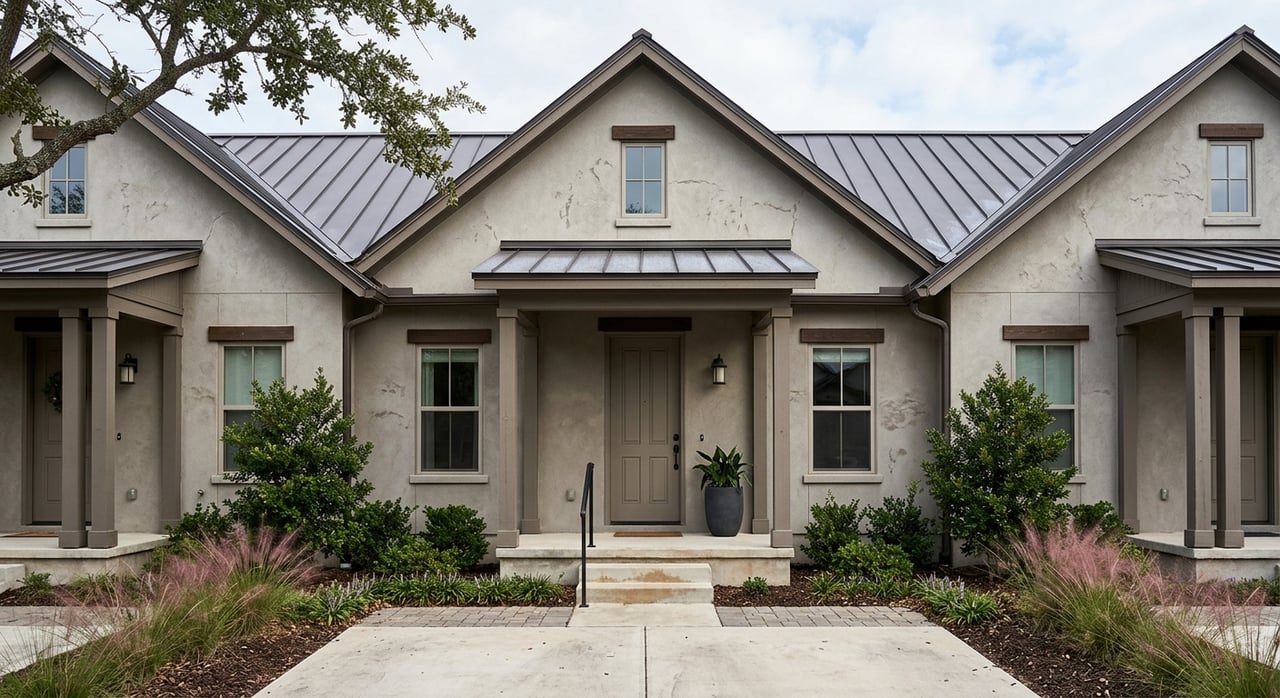
If your schedule is full but Bluffton is still on your radar, a townhome or villa may be the right kind of fit. Many buyers want the convenience of a coastal home without the work that often comes with a larger yard and more exterior upkeep. The good news is that Bluffton offers attached-home options that can support that lower-maintenance lifestyle, but the details matter. This guide will help you understand how townhome and villa living works in Bluffton, what to watch for, and how to decide if it matches the way you want to live. Let’s dive in.
Why Bluffton Appeals to Busy Buyers
Bluffton sits in central Beaufort County with access to Hilton Head Island, Beaufort City, Charleston, and Savannah, according to the town. That location gives you a practical home base if you want to be near the coast while staying connected to major destinations in the region.
Bluffton is also a market where prices can shape your options. Zillow reported a typical home value of $497,956 in April 2026, while Redfin reported a median sale price of $597,533 in March 2026. In that kind of pricing environment, attached homes can stand out for buyers who want a Bluffton address with a simpler ownership experience.
The town’s planning work also points to continued attention on housing and development. Bluffton’s comprehensive plan was adopted in 2022, and a housing impact analysis was added in 2024. For you as a buyer, that suggests an active local conversation around housing supply and future growth.
What Townhome and Villa Living Looks Like
In the Bluffton area, builders are currently marketing a mix of townhomes, villas, and cottage-style homes. Ryan Homes says its local offerings include townhomes, villas, and cottage-style homes from the $300s to the $500s, with an emphasis on low-maintenance first-floor living near Bluffton, Savannah, and Hilton Head.
In practical terms, that often means layouts designed around convenience. Features commonly highlighted in local villa-style product include open-concept living areas, attached garages, screened porches or lanais, and single-story floor plans. These details can be especially appealing if you want a home that feels easy to lock up and leave.
Some communities also pair attached homes with shared amenities. In Bluffton, Del Webb’s Sun City Hilton Head markets villas within a community that includes six pools, three restaurants, and three golf courses. Amenities vary by neighborhood, but this gives you a sense of how lifestyle and maintenance can be bundled together in some local options.
What “Villa” Actually Means
One of the most important things to know is that villa is often a marketing term, not a legal one. In South Carolina, the home may still fall under a homeowners association or a horizontal property regime, which is a condominium structure under state law.
That matters because the label on the brochure does not tell you everything about ownership, rules, or costs. A villa may look and feel like a simple low-maintenance home, but the legal documents will define what you own, what the association maintains, and what limits apply.
If you are comparing a townhome to a villa in Bluffton, ask for the recorded documents early. The declaration, master deed, bylaws, and any amendments are the papers that explain the real ownership structure.
Why HOA Details Matter
South Carolina law defines an association as the entity that manages and maintains a planned community or horizontal property regime and collects assessments for shared expenses. Those expenses can include taxes, insurance, maintenance, improvements, and other common costs.
For a busy buyer, this setup can be a real benefit. If your goal is more predictable upkeep and less day-to-day property work, shared maintenance may support that. But the tradeoff is that you need to understand exactly what your dues cover and what they do not.
Here are some smart questions to ask before you buy:
- What does the HOA fee cover?
- Is lawn care included?
- Who handles exterior maintenance?
- Are there separate fees for amenities?
- Have dues increased recently?
- Are there upcoming assessments?
South Carolina law also requires 48 hours’ notice before an HOA votes on an annual budget increase. That does not remove cost risk, but it does show why reviewing budgets and association documents is part of smart due diligence.
Disclosures You Should Expect
In South Carolina, the property-condition disclosure form must state whether a property is subject to HOA governance. It also must note the rights, obligations, and financial obligations that may limit your use of the property.
Sellers are required to provide that disclosure before the contract is signed. That timing matters because it gives you a chance to review the structure of the community before you are locked in.
Another key point is enforceability. HOA governing documents must be recorded to be enforceable. If you are weighing two similar homes, strong document review can help you spot meaningful differences that are not obvious from photos or marketing remarks.
Second-Home Buyers Need Extra Clarity
If you are considering Bluffton as a second home or seasonal property, townhome and villa living may feel especially attractive. Lower exterior upkeep, easier lock-and-leave use, and more compact layouts can all support that kind of ownership.
But second-home buyers should look closely at taxes. Beaufort County says legal residence status reduces the real-property tax rate from 6% to 4% and includes a school-operation tax credit. If the home will not be your primary residence, you should not assume the lower 4% rate applies.
That difference can affect your monthly and annual ownership costs more than many buyers expect. It is one of the most important numbers to verify early when you compare attached homes to detached homes in Bluffton.
Rental Rules Can Change the Fit
Some buyers want a second home they can use personally and rent occasionally. If that is part of your plan, you need to confirm whether the property’s legal structure or community rules allow it.
For condo-type properties under South Carolina’s horizontal property framework, owners hold exclusive rights to their unit along with a shared right in the common elements. State law also allows master deeds to include lease restrictions, including minimum lease terms.
That means one Bluffton villa community may be far more flexible than another. Before you fall in love with the floor plan, ask whether there are lease caps, minimum lease terms, or other rental restrictions recorded in the community documents.
Flood Review Should Happen Early
Bluffton is a coastal market, so flood review is not something to leave for the end of the process. Beaufort County uses FEMA Flood Insurance Rate Maps to regulate development in Special Flood Hazard Areas, and FEMA is the official public source for flood maps.
Flood insurance also deserves careful attention. Floodsmart says most homeowners insurance does not cover flood damage. For you, that means a home’s flood zone can affect both risk and ongoing cost.
A good early checklist includes:
- Confirm the property’s flood zone
- Ask whether flood insurance is required
- Estimate the insurance cost before finalizing your budget
- Review elevation or flood-related documents if available
This step is especially important for seasonal owners who want a home that feels simple to manage from a distance.
Who Townhome and Villa Living Fits Best
In Bluffton, this type of home often fits buyers who value convenience over square footage on a large lot. That can include dual-income professionals, empty-nesters, and second-home buyers who want more predictable upkeep and easier seasonal use.
You may be a strong fit for this lifestyle if you want:
- Less yard work
- Easier exterior maintenance
- A more lock-and-leave setup
- Shared amenities in some communities
- A layout focused on everyday convenience
On the other hand, attached living may be less ideal if you want a large private yard, fewer community rules, or broad freedom to change the exterior or landscaping. Shared-expense living can simplify ownership, but it also comes with structure.
How to Compare Bluffton Options
When you narrow down Bluffton townhomes and villas, try comparing them through the lens of convenience, cost, and restrictions. That will tell you more than the marketing label alone.
Here is a simple framework to use:
| Factor | Why It Matters |
|---|---|
| HOA fee | Affects monthly cost and what maintenance is included |
| Legal structure | Clarifies whether the home is in an HOA or condo-style regime |
| Tax status | Can change ownership cost for primary versus second-home use |
| Lease rules | Affects flexibility if you may rent the property |
| Flood zone | Impacts insurance, risk, and long-term budgeting |
| Layout | Determines how well the home supports your daily routine |
This kind of side-by-side review can help you avoid buying a home that looks convenient at first glance but creates friction later.
A Smart Bluffton Buying Strategy
The best Bluffton townhome or villa for you is the one that supports your actual lifestyle, not just your wish list. If you want a home that feels easy, efficient, and well-matched to a busy schedule, attached living can be a strong option in this market.
The key is to move past the surface details early. Floor plan, garage, porch, and amenities matter, but so do taxes, flood zone, HOA costs, and lease rules. When you review those pieces together, you can make a clearer decision with fewer surprises.
If you are looking for a Bluffton home that works more like a lifestyle asset and less like a constant project, a well-chosen townhome or villa may be exactly the right move. When you want a tailored, relationship-driven approach to sorting through the details, Brandon & Tiffany are here to help.
FAQs
What is the difference between a Bluffton townhome and villa?
- In Bluffton, the difference is often more about layout and marketing than legal structure. A villa may still be governed by an HOA or condominium-style regime, so you should review the recorded documents.
Are Bluffton villas and townhomes lower maintenance?
- Many are designed that way, and some local builders highlight low-maintenance living, lawn care, first-floor layouts, and attached garages. You still need to confirm what maintenance the HOA actually covers.
Do Bluffton townhomes have HOA fees?
- Many do. In South Carolina, associations collect assessments for shared expenses such as maintenance, insurance, improvements, and other common costs.
Can you rent out a Bluffton villa or townhome?
- It depends on the recorded community documents. South Carolina law allows lease restrictions in master deeds, including minimum lease terms, so you should verify rental rules before buying.
Are second-home taxes different in Bluffton?
- Yes. Beaufort County says legal residence status reduces the real-property tax rate from 6% to 4%, so second-home buyers should not assume they qualify for the lower rate.
Do you need flood insurance for a Bluffton townhome or villa?
- It depends on the property’s flood zone and insurance requirements. Because Bluffton is in a coastal market and most homeowners insurance does not cover flood damage, flood review should happen early in your search.